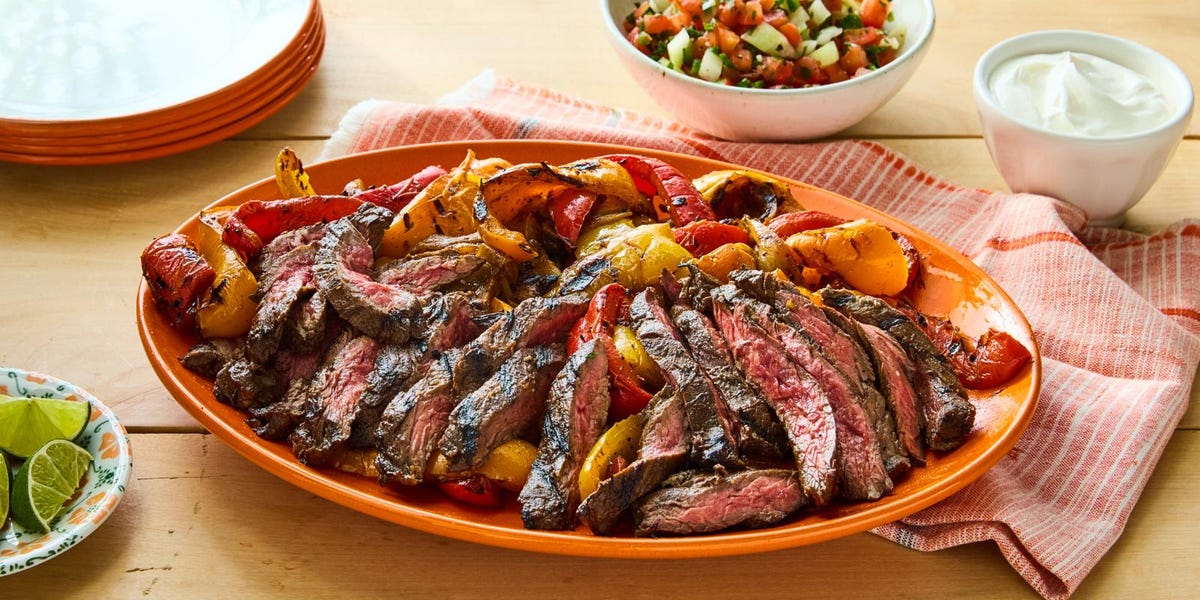
Master Steak Fajitas: The Cut, The Sear, The Slice
There's an undeniable magic in a sizzling platter of steak fajitas – the aromatic blend of charred meat, sweet peppers, and onions, all wrapped in a warm tortilla with a dollop of fresh toppings. It’s a dish that evokes fiesta and satisfaction. While many believe a good fajita comes down to a lengthy marinade or simply high heat cooking, those are only parts of the equation. After countless kitchen experiments and a deep dive into culinary science, we've uncovered the true trifecta that elevates your steak fajitas from good to absolutely legendary: the cut of meat, the perfect sear, and the precision slice. Master these three pillars, and you’ll banish disappointing, chewy fajitas from your table forever.
The Foundation: Choosing the Right Steak for Fajitas
Forget the myth that any cut will do as long as you marinate it long enough. The truth is, the inherent structure of the meat plays a pivotal role in the final texture and flavor absorption. For truly tender and juicy steak fajitas, your choice of steak matters more than almost anything else.
- Skirt Steak (The Champion): This is the undisputed king of fajita meats, and for good reason. Skirt steak boasts a naturally loose, coarse grain. This unique fibrous structure allows it to absorb marinades incredibly quickly and efficiently, infusing every bite with flavor. Crucially, its thinness and composition also mean it sears beautifully, developing that prized caramelized crust without overcooking the interior. There are two types: inside skirt (thinner, more tender) and outside skirt (thicker, beefier flavor). Either works wonderfully.
- Flank Steak (A Strong Contender): A close second, flank steak is also lean and flavorful. It's thicker and has a tighter grain than skirt steak, meaning it benefits from a slightly longer marinating time (up to 4 hours is ideal) to achieve optimal tenderness. Like skirt steak, it’s best cooked quickly over high heat and, most importantly, sliced correctly against the grain.
- Sirloin (Acceptable, But Not Ideal): While sirloin can be used, it's generally a more tender, less fibrous cut. It won't deliver the same rustic, satisfying chew and intense beefy flavor that skirt or flank steak provide, which are hallmarks of authentic fajitas. If using sirloin, ensure it's cut into thin strips before marinating and cooking.
When selecting your steak, look for pieces that are no more than 1 inch thick. This ensures quick cooking and even searing, preventing the exterior from burning before the interior reaches your desired doneness.
Crafting the Flavor: Marinade Secrets and Essential Prep
A well-balanced marinade not only infuses flavor but also contributes to the steak's tenderness. However, even the best marinade can be sabotaged by crucial missteps in preparation. Here’s how to get it right.
The Art of the Marinade
Our go-to marinade blends tangy, sweet, and savory elements for a truly dynamic flavor profile. Here’s a breakdown of the key players:
- Fresh Lime Juice: Provides essential acidity that brightens the flavor and begins to tenderize the meat.
- Avocado Oil: A high smoke point oil that helps distribute fat-soluble flavors and prevents sticking.
- Pineapple Juice (or Brown Sugar): The secret weapon! Pineapple juice contains bromelain, an enzyme that naturally breaks down protein fibers, adding significant tenderness. Brown sugar offers a similar tenderizing effect and helps with caramelization during searing.
- Aromatics & Spices: Minced garlic, cumin, smoked paprika, chili powder, onion powder, cayenne pepper, salt, and black pepper form the classic fajita flavor base, offering warmth, smokiness, and a touch of heat.
- Liquid Smoke (The Unsung Hero): A few drops add an authentic grilled, smoky depth, especially if you're cooking indoors without a grill.
Combine all ingredients in a bowl or zip-top bag with your chosen steak. For skirt steak, 2-4 hours of marinating is perfect. Flank steak can benefit from the full 4 hours. Resist the urge to marinate overnight! The acid in the lime juice, while beneficial in moderation, can start to break down the meat's texture too much if left too long, resulting in a mushy or mealy surface, particularly with skirt steak's looser grain.
The Critical Step You Must NOT Skip: Pat Dry
This is arguably the most overlooked and yet most impactful step in achieving a perfect sear. Once your steak has marinated, remove it from the bag and pat it completely, thoroughly dry with paper towels. You want not a single bead of moisture on the surface.
Why is this so important? When meat hits a hot pan, any surface moisture immediately turns into steam. Steam lowers the pan's temperature and, instead of searing, your steak will essentially steam-cook. You'll lose out on that beautiful, deeply flavorful caramelized crust known as the Maillard reaction, which is essential for steak fajitas. Dry steak means direct contact with the hot metal, allowing that coveted char to form quickly and efficiently.
The Art of the Sear: Mastering the Heat and Rest
With your perfectly chosen, marinated, and dried steak ready, it’s time for the theatrical sizzle that defines fajitas. This step is all about high heat and precise timing.
Achieving the Perfect Crust
For the ultimate sear, a heavy-bottomed pan like a cast iron skillet is your best friend. Its superior heat retention and even heat distribution are unmatched. Place your cast iron skillet over high heat and let it preheat for 3-4 minutes until it's smoking lightly. This intense heat is crucial.
Add a tablespoon of high smoke point oil (like avocado oil) to the screaming hot pan. Immediately place your steak in the skillet. You should hear an aggressive, satisfying sizzle. Resist the urge to move the steak! Let it sear undisturbed for 3-4 minutes per side. This allows that gorgeous, flavorful crust to develop.
For juicy, tender steak fajitas, aim for a medium-rare internal temperature of 130-135°F. This keeps the meat incredibly succulent and prevents it from drying out during the resting phase. A quick-read thermometer is your best tool here. Once it reaches temperature, remove the steak from the pan and transfer it to a cutting board.
The Indispensable Rest
Do not underestimate the power of resting your steak. This isn't just a suggestion; it's a non-negotiable step. Allow the steak to rest on the cutting board for 5-7 minutes. During this time, the muscle fibers relax, and the juices, which have been pushed to the center by the high heat, redistribute evenly throughout the meat. Cutting into the steak too soon will cause all those precious juices to run out, leaving you with dry, less flavorful fajitas.
Sizzling Peppers and Onions
While your steak is resting and its juices are settling, it’s the perfect time to cook your fajita vegetables. Add your sliced bell peppers (a colorful mix of red, yellow, and green is visually appealing and delicious) and white onion to the same cast iron skillet, along with a little more oil if needed. Cook them over high heat for 5-6 minutes, stirring occasionally. The goal here is a vibrant, slightly crisp-tender vegetable with some beautiful charring on the edges, not soft, soggy, or steamed. Season with salt, pepper, and a pinch of cumin for extra flavor.
The Final Touch: The Slice That Makes (or Breaks) Your Fajitas
You’ve chosen the right cut, perfected the marinade, achieved an incredible sear, and rested your meat. Now, don't let all that hard work go to waste with one wrong cut. This is perhaps the most vital step in ensuring your fajitas are tender, not chewy.
The secret lies in slicing against the grain.
- Identify the Grain: Look closely at the surface of your rested steak. You'll see distinct lines or muscle fibers running in a particular direction. This is the grain.
- Slice Across, Not Along: Your goal is to cut perpendicular to these fibers. Imagine them as tiny straws; if you cut along them, you're leaving long, tough fibers that are difficult to chew. By cutting across them, you shorten these fibers, making each bite significantly more tender and easy to manage.
- The 45-Degree Angle: For optimal tenderness and a slightly larger surface area to catch more flavor, hold your knife at a 45-degree angle to the cutting board as you slice against the grain. This technique is particularly effective with fibrous cuts like skirt and flank steak.
Seriously, if you slice with the grain, the steak will be tough and chewy, regardless of how perfectly you’ve cooked it or how long it’s marinated. A sharp knife is also essential here for clean, precise cuts. Aim for thin, even slices, typically about ¼ to ½ inch thick.
Serving Your Masterpiece
Once your steak is perfectly sliced and your peppers and onions are charred to perfection, it’s time to assemble your legendary steak fajitas. Serve them immediately on a warm platter, surrounded by essential accompaniments:
- Warm Tortillas: Whether you prefer flour or corn, warming them makes them pliable and enhances their flavor.
- Fresh Lime Wedges: A squeeze of fresh lime juice over the finished fajitas brightens all the flavors.
- Guacamole: Creamy, rich, and utterly delicious.
- Pico de Gallo: A vibrant, fresh salsa that adds tang and freshness.
- Sour Cream or Mexican Crema: For a cooling, creamy contrast.
- Cotija Cheese: Salty, crumbly, and adds an authentic touch.
Pile everything into your warm tortilla, take a bite, and savor the explosion of flavors and textures. You’ll find these truly are the best steak fajitas you’ve ever made.
Conclusion
Mastering steak fajitas is less about magic and more about understanding a few critical techniques. By prioritizing the right cut of steak, meticulous preparation including the all-important drying step, achieving an aggressive sear followed by a crucial rest, and finally, slicing precisely against the grain, you unlock a world of tender, juicy, and incredibly flavorful fajitas. Leave behind the guesswork and embrace these pro tips to create a culinary experience that will have everyone running to the table every time.
