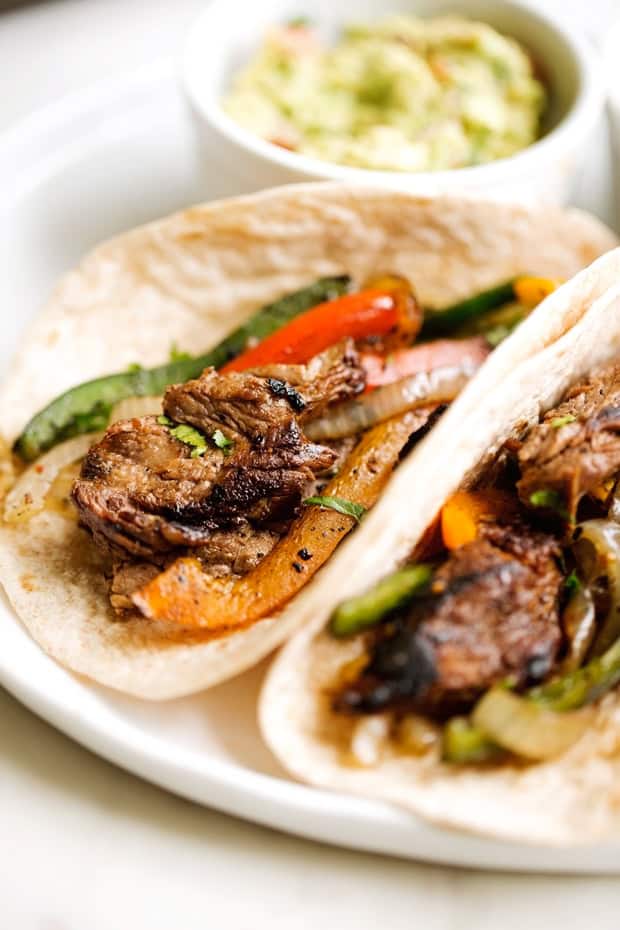
Ah, steak fajitas. Just the mention of them conjures images of sizzling platters, vibrant colors, and that irresistible aroma wafting through the air. It’s a dish that promises a fiesta in every bite, a perfect blend of smoky char, zesty tang, and tender meat, all wrapped in a warm tortilla. But let's be honest, many home attempts at this Tex-Mex classic fall short. Chewy steak, bland marinade, or soggy vegetables can quickly turn a culinary dream into a disappointing dinner. What if we told you the secret to truly unforgettable steak fajitas isn't a complex, overnight marinade or a secret technique known only to chefs? It comes down to a few critical, often overlooked, steps that transform a good meal into a spectacular one. After extensive testing, we've unlocked the ultimate formula for succulent, flavorful skirt steak fajitas that will have your family and friends begging for more.
The Foundation of Flavor: Choosing Your Cut & Crafting the Perfect Marinade
When it comes to creating the best steak fajitas, the journey truly begins with the right cut of meat. While many recipes suggest marinating for extended periods, our testing consistently shows that the cut of steak matters more than the duration of the marinade. For fajitas, skirt steak is the undisputed champion, though flank steak is a worthy contender.
Why Skirt Steak Reigns Supreme for Fajitas
Skirt steak, with its distinct, naturally loose grain, is a marvel. This unique structure allows it to absorb marinades incredibly fast, infusing flavor deep into the meat without requiring hours upon hours of soaking. Furthermore, its inherent tenderness (when cooked and sliced correctly) and ability to develop a beautiful, caramelized sear make it ideal. Typically, you'll find both inside and outside skirt steak; the outside cut is generally preferred for its more uniform thickness and slightly more tender texture, but both will yield delicious results. There's no need to break the bank for a premium cut; skirt steak delivers maximum flavor impact, making it the top choice for juicy steak fajitas.
The Zesty Marinade: A Symphony of Flavors (and a Secret Ingredient!)
A great marinade does more than just add flavor; it works to tenderize and enhance the steak's natural qualities. Our vibrant marinade strikes the perfect balance, infusing your skirt steak with zest, warmth, and a hint of smoky depth. Here’s what you’ll need for approximately 1.5 lbs of skirt or flank steak:
- 3 tbsp fresh lime juice: For that essential tangy brightness and natural tenderizing.
- 2 tbsp avocado oil: A high smoke point oil ideal for searing.
- 1 tbsp pineapple juice (or brown sugar): The enzymes in pineapple juice further tenderize, while its sweetness balances the acid. Brown sugar offers a similar effect.
- 3 garlic cloves, minced: A foundational aromatic for depth.
- 1 tsp cumin: Earthy and essential for Tex-Mex flavor.
- 1 tsp smoked paprika: Adds a beautiful color and a rich, smoky note.
- ½ tsp chili powder: For mild heat and complex flavor.
- ½ tsp onion powder: Enhances the savory profile.
- ¼ tsp cayenne pepper: A touch of heat to awaken the palate.
- ¼ tsp black pepper: Classic seasoning.
- ½ tsp salt: Crucial for seasoning and drawing out moisture.
- A few drops of liquid smoke: This is our secret weapon! It imparts an incredible, authentic smoky flavor that usually only comes from grilling, even if you’re cooking indoors.
Marinating Magic: Whisk all these ingredients together in a bowl or a zip-top bag. Add your steak, ensuring it's fully coated. Seal and refrigerate for 2-4 hours. And here's a crucial tip: do not go longer! While traditional wisdom might suggest an overnight soak, the acidity from the lime juice can actually start to break down the steak's texture, leading to a mushy surface rather than a firm, desirable bite. Skirt steak, with its loose grain, is particularly efficient and often only needs about 2 hours to soak up all that goodness, while a denser flank steak can benefit from the full 4 hours.
The Path to Perfection: Mastering the Sear and Slicing Secrets
Once your steak has soaked up all that incredible flavor, the next steps are about execution. These aren't just details; they are the difference between good steak fajitas and truly phenomenal ones.
Step 1: Pat Dry — The Most Crucial, Most Skipped Step
Before your steak even thinks about touching a hot pan, remove it from the marinade and pat it completely dry with paper towels. Seriously, do not skip this! Surface moisture is the enemy of a good sear. When wet steak hits a screaming hot pan, that moisture instantly turns into steam, effectively steaming your steak instead of searing it. You’ll lose out on that beautiful, deeply caramelized crust – the glorious Maillard reaction – which is essential for flavor and texture. A truly dry surface ensures that aggressive sizzle and a perfect crust on your steak fajitas.
Step 2: The High-Heat Sear
A screaming hot pan is non-negotiable for achieving that signature fajita char. A cast iron skillet is your best friend here. Heat it over high heat for 3-4 minutes until it’s visibly smoking. Then, add 1 tablespoon of avocado oil (or another high smoke point oil). Carefully place your dried skirt steak in the pan – you should hear an immediate, aggressive sizzle. Sear for 3-4 minutes per side without moving it. Resisting the urge to peek or move the steak allows that crust to properly form. For the ideal medium-rare, aim for an internal temperature of 130-135°F. Use a meat thermometer for accuracy!
- Temperature Guide:
- Rare: 120–125°F
- Medium-Rare: 130–135°F (Recommended for Fajitas!)
- Medium: 140–145°F
- Well Done: 160°F+ (Avoid for best fajita texture)
Once seared, remove the steak from the pan and let it rest on a cutting board for 5-7 minutes. Resting allows the juices to redistribute throughout the meat, ensuring every bite is tender and juicy.
Step 3: Slicing Against the Grain — The Secret to Tenderness
This is arguably the most critical step for tender steak fajitas, and it's where many people stumble. Look closely at your rested skirt steak; you'll see visible lines running along its surface – these are the muscle fibers, or "the grain." To ensure tenderness, you must slice across these fibers, not along them. Slicing with the grain leaves long, intact muscle fibers that will make your steak tough and chewy, regardless of how perfectly you marinated and cooked it.
To properly slice against the grain, hold your sharp knife at a 45-degree angle to the cutting board. This creates a broader surface area for each slice, further enhancing the perceived tenderness. Imagine the muscle fibers are tiny straws; cutting across them shortens them into bite-sized pieces, making them easy to chew. If you’re unsure, take a small test slice. If it’s tough, adjust your angle and direction. For more detailed insights, check out our guide on Why Your Steak Fajitas Are Chewy (And How To Fix It).
Beyond the Steak: Perfectly Charred Peppers & Onions
No platter of steak fajitas is complete without beautifully cooked peppers and onions. They add essential sweetness, crunch, and vibrant color, balancing the richness of the steak. You'll need:
- 3 bell peppers (red, yellow, green), sliced
- 1 large white onion, sliced
- 1 tbsp avocado oil
- Salt and pepper to taste
- A pinch of cumin (optional, but highly recommended)
While your steak rests, add your sliced peppers and onions to the same cast iron skillet you used for the steak. There will be residual bits of flavor from the steak, which will only enhance your vegetables. Add 1 tbsp avocado oil, then cook them over high heat for 5-6 minutes, stirring occasionally. The goal here is a lovely char on the edges, a slight crisp-tender texture, not soggy, steamed vegetables. Season simply with salt, pepper, and that optional pinch of cumin to tie it all together. This high-heat, quick-cook method prevents them from becoming limp and watery, ensuring they complement the juicy steak perfectly.
Assembling Your Masterpiece: The Ultimate Fajita Platter
The grand finale! Presenting your homemade steak fajitas in an inviting spread is part of the experience. Here’s what you’ll need to complete your culinary journey:
- 8 flour or corn tortillas (warmed): Essential for wrapping. Wrap them in foil and warm in a low oven (around 200°F/95°C), microwave briefly, or directly over a gas burner for a slight char.
- Fresh lime wedges: A squeeze of fresh lime adds essential brightness and cuts through the richness.
- Guacamole: Creamy, rich, and a classic pairing. Homemade is always best!
- Pico de gallo: Fresh, chunky salsa for a burst of flavor and texture.
- Sour cream or Mexican crema: For cooling, creamy indulgence.
- Cotija cheese: Crumbly, salty cheese adds another layer of authentic flavor.
Arrange your sliced steak and charred vegetables on a platter. Surround them with the warmed tortillas and all your favorite toppings. The beauty of fajitas lies in their interactive nature – everyone gets to build their perfect bite!
Conclusion
Creating the best steak fajitas isn't just about following a recipe; it's about understanding the key principles that elevate them from good to truly great. From selecting the right cut of skirt steak and mastering a short, zesty marinade, to nailing that high-heat sear, diligently patting the steak dry, and, most importantly, slicing precisely against the grain – each step plays a vital role. By embracing these techniques, you're not just cooking a meal; you're crafting an experience. So ditch the notion that perfect fajitas are only found in restaurants, gather your ingredients, and prepare to impress with a platter of tender, juicy, and flavor-packed steak fajitas that will have everyone clamoring for seconds. Enjoy the sizzle!
