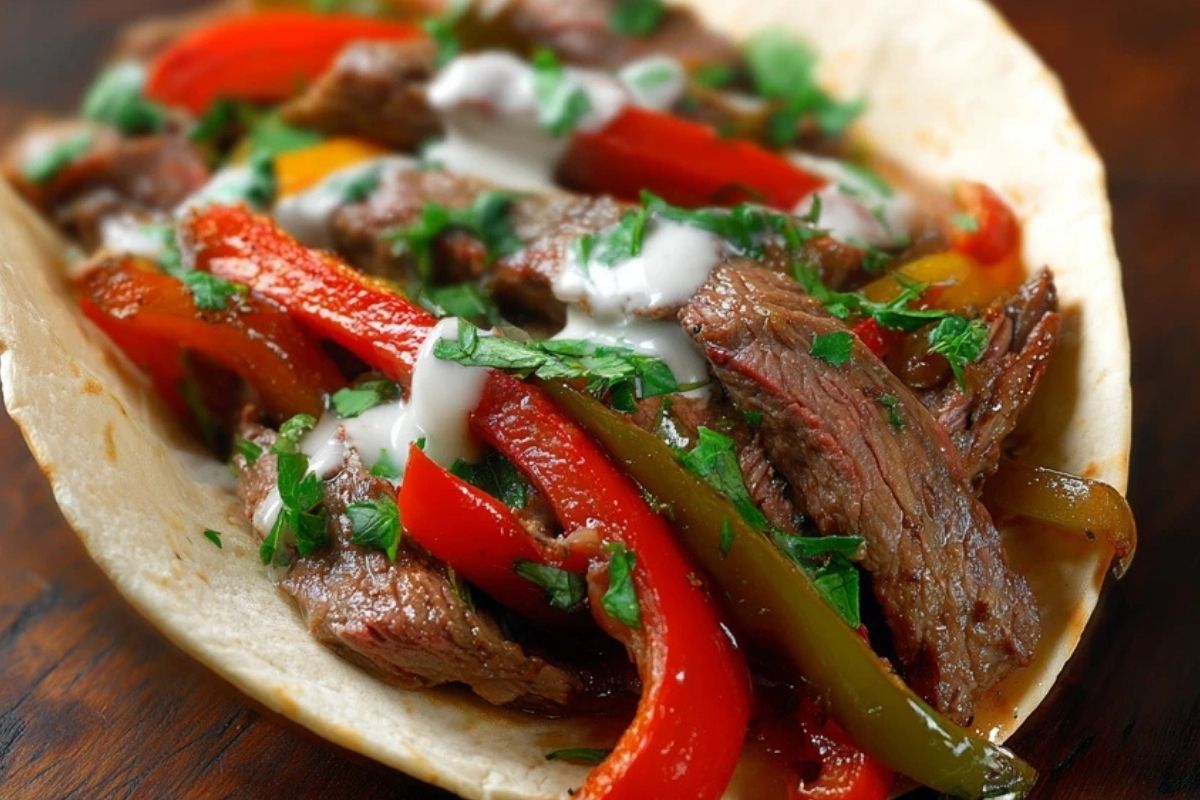
There’s nothing quite as enticing as the aroma of sizzling steak fajitas hitting the table, vibrant with colorful peppers and onions. It’s a dish that promises a burst of flavor and a satisfying texture. However, if you’ve ever found yourself wrestling with tough, rubbery strips of meat in your tortilla, you know the disappointment of chewy steak fajitas. It’s a common culinary frustration, but here’s the good news: achieving tender, juicy, and flavor-packed steak fajitas isn't a secret held by restaurant chefs. It’s about understanding a few key principles and avoiding common pitfalls. Let's unlock the secrets to perfect fajitas, ensuring every bite is a tender triumph.
The Core Culprits Behind Chewy Steak Fajitas
Many home cooks follow recipes that suggest marinating overnight and cooking on high heat, which isn't inherently wrong, but it’s far from the whole story. The truth is, several crucial factors often get overlooked, turning what should be a succulent experience into a jaw workout. From the moment you select your meat to the final slice, every step impacts the tenderness of your steak.
1. The Wrong Cut of Meat (or Misunderstanding the Right One)
The foundation of great fajitas is the steak itself. While many cuts can be used, some are inherently better suited for the high-heat, quick-cooking method of fajitas.
- Skirt Steak: This is the undisputed champion for fajitas. Skirt steak has a naturally loose, coarse grain that acts like tiny sponges, readily absorbing marinade flavors. Its structure also means that when sliced correctly (more on this later!), it becomes incredibly tender. It’s lean but still offers a robust beefy flavor that stands up well to bold spices.
- Flank Steak: A close second, flank steak is also lean and flavorful. It has a tighter grain than skirt steak, meaning it might benefit from a slightly longer marinating time to help break down those muscle fibers. Both skirt and flank steak should be no more than an inch thick to ensure quick and even cooking. Avoid thicker cuts that will dry out on the outside before reaching desired doneness internally.
2. Over-Marinating or Under-Marinating
A good marinade is essential for flavor, and often for tenderness, especially when it contains acidic ingredients. However, there's a delicate balance.
- Under-Marinating: Not enough time in the marinade means the flavors won't penetrate the meat adequately, and any tenderizing agents (like lime or pineapple juice) won't have sufficient time to work.
- Over-Marinating: This is a more common mistake when trying to achieve tenderness. Acidic ingredients like lime juice, while great for breaking down tough fibers, can actually turn the surface of your steak mushy if left too long. For skirt steak, 2-3 hours is often sufficient. Flank steak can handle up to 4 hours. Going much longer than that risks a mealy texture rather than a tender one. The key is balance – a good marinade also includes oil for moisture, and spices for depth of flavor, such as cumin, smoked paprika, and chili powder.
3. Skipping the Drying Step (The Enemy of the Sear)
This is arguably the most critical and most frequently skipped step. After removing your steak from the marinade, it will be wet. Placing a wet steak on a hot pan will cause the moisture to evaporate and create steam. Steam, by its nature, cools the cooking surface and prevents a proper sear. Instead of developing that beautiful, caramelized crust that adds so much flavor and texture, your steak will essentially steam in its own juices, leading to a dull grey exterior and a tougher texture.
The Fix: Always, always, always pat your steak completely dry with paper towels before it hits the pan. This allows the intense heat to immediately start caramelizing the surface sugars and proteins, forming a delicious, flavor-rich crust.
4. The Sear: Not Hot Enough, Not Long Enough
Fajitas are designed for high-heat cooking. Achieving that signature charred flavor and tender interior relies heavily on your searing technique.
- Pan Temperature: A cast iron skillet is ideal for its ability to retain and distribute high heat evenly. Heat your skillet over high heat for 3-4 minutes until it's smoking. This indicates it’s hot enough to create an immediate, aggressive sizzle when the steak hits the surface.
- Crowding the Pan: Placing too much steak in the pan at once will drop the temperature drastically, leading to steaming rather than searing. Cook in batches if necessary.
- Hands Off: Resist the urge to move the steak once it’s in the pan. Let it sear undisturbed for 3-4 minutes per side to develop that crucial crust.
- Doneness: For optimal tenderness, aim for medium-rare (130-135°F internal temperature). Overcooking, even by a few degrees, can quickly turn a tender steak into a tough one. Remember that the steak will continue to cook slightly after it’s removed from the heat (carryover cooking).
5. Neglecting the Rest Period
After such intense heat, the muscle fibers in the steak are tense and the juices are concentrated in the center. Cutting into the steak immediately will cause all those delicious juices to escape, leaving you with dry, tough meat.
The Fix: Remove the seared steak from the pan and let it rest on a cutting board for 5-7 minutes. This allows the muscle fibers to relax and the juices to redistribute throughout the meat, resulting in a significantly more tender and succulent bite.
The Ultimate Secret Weapon: Slicing Against the Grain
You can choose the perfect cut, marinate it perfectly, sear it beautifully, and rest it properly, but if you slice it incorrectly, all that effort goes to waste. This step truly makes or breaks your fajitas, and it's a critical element highlighted in our guide, Master Steak Fajitas: The Cut, The Sear, The Slice.
Every piece of meat has muscle fibers running in a particular direction – this is called "the grain." If you slice with the grain, you'll end up with long, intact muscle fibers that require a lot of chewing to break down. This is the primary reason for tough, chewy steak.
The Fix: You need to slice against the grain.
- Identify the Grain: Look closely at the surface of your rested steak. You'll see visible lines running in one direction. These are the muscle fibers.
- Cut Across Them: Position your knife perpendicular to these lines, so you are cutting across them, not parallel to them. This shortens the muscle fibers, making the steak much easier to chew and more tender.
- Angle Your Knife: For cuts like skirt or flank steak, which are already somewhat flat, slicing at a slight 45-degree angle further increases the surface area and tenderness, especially if the grain is particularly pronounced.
Even a perfectly cooked steak can turn into a chewy disappointment if this step is ignored. It’s an absolute game-changer for fajitas.
A Recipe for Perfection: Tender & Flavorful Steak Fajitas
Now that you understand the "why," let's put it all together into a recipe that guarantees tender, juicy steak fajitas every time. This recipe builds on the foundational principles for The Best Steak Fajitas: Juicy Skirt Steak & Zesty Marinade, ensuring maximum flavor and tenderness.
Ingredients You'll Need:
For the Steak & Marinade:
- 1.5 lbs skirt steak (or flank steak), no more than 1 inch thick
- 3 tbsp fresh lime juice
- 2 tbsp avocado oil
- 1 tbsp pineapple juice (or brown sugar for tenderizing)
- 3 garlic cloves, minced
- 1 tsp cumin
- 1 tsp smoked paprika
- ½ tsp chili powder
- ½ tsp onion powder
- ¼ tsp cayenne pepper (optional, for heat)
- ¼ tsp black pepper
- ½ tsp salt
- A few drops of liquid smoke (our secret ingredient for that authentic smoky char)
For the Peppers & Onions:
- 3 bell peppers (red, yellow, green), sliced into strips
- 1 large white onion, sliced
- 1 tbsp avocado oil
- Salt and pepper to taste
- A pinch of cumin (optional)
To Serve:
- 8 flour or corn tortillas (warmed)
- Fresh lime wedges
- Guacamole
- Pico de gallo
- Sour cream or Mexican crema
- Cotija cheese (crumbled)
- Fresh cilantro, chopped (optional)
Step-by-Step Guide to Irresistible Fajitas:
- Marinate the Steak: In a bowl or zip-top bag, whisk together the lime juice, avocado oil, pineapple juice, minced garlic, cumin, smoked paprika, chili powder, onion powder, cayenne (if using), salt, black pepper, and liquid smoke. Add the steak, ensuring it's fully coated. Seal and refrigerate for 2-4 hours. Remember: skirt steak needs about 2 hours, while flank steak benefits from the full 4 hours. Avoid marinating for longer to prevent a mushy surface.
- Pat Dry (Crucial Step!): Remove the steak from the marinade. Use paper towels to pat the steak completely dry on all sides. This step is non-negotiable for a perfect sear.
- Sear the Steak: Heat a cast iron skillet over high heat for 3-4 minutes until it begins to smoke. Add 1 tablespoon of avocado oil. Carefully place the dried steak into the hot pan; you should hear an immediate, aggressive sizzle. Sear for 3-4 minutes per side without moving it, allowing a deep crust to form. For medium-rare, aim for an internal temperature of 130-135°F. Remove the steak from the skillet and transfer it to a cutting board to rest.
- Cook the Peppers & Onions: While the steak rests (don't skip this!), add the sliced bell peppers and onions to the same hot cast iron skillet. Cook on high heat for 5-6 minutes, stirring occasionally. You want to achieve some charred edges and tenderness, not soggy, steamed vegetables. Season with salt, pepper, and an optional pinch of cumin.
- Slice Against the Grain: This is it – the moment of truth! Locate the muscle fibers running through the rested steak. Using a sharp knife, slice the steak thinly (about ¼-inch thick) against the grain, ideally at a 45-degree angle.
- Serve & Enjoy: Arrange the sliced steak and charred vegetables on a warm platter (a sizzling platter truly enhances the experience!). Serve immediately with warm tortillas and your favorite toppings like fresh lime wedges, guacamole, pico de gallo, sour cream, and cotija cheese.
Beyond the Basics: Pro Tips for Next-Level Fajitas
Don't Forget the Veggies!
While the steak is the star, perfectly cooked peppers and onions elevate the entire dish. Using the same cast iron skillet after searing the steak allows the vegetables to absorb all those delicious beefy drippings and caramelized bits from the pan, adding another layer of flavor. Ensure they get a good char, not just a gentle sauté, for that authentic fajita experience.
Warm Your Tortillas
Cold, stiff tortillas detract from even the most perfect fajitas. Briefly warm them in a dry skillet, microwave, or wrapped in foil in the oven. This makes them pliable, softer, and more enjoyable to wrap around your tender steak and veggies.
Embrace the Sizzle Platter
There's a reason fajitas are often served sizzling in restaurants – it adds to the theatricality and sensory experience. If you have a cast iron platter, heating it before serving can keep your fajitas warm longer and recreate that restaurant-style sizzle right at home.
Say goodbye to disappointing, chewy steak fajitas! By focusing on the right cut, precise marination, essential drying, aggressive searing, proper resting, and the non-negotiable step of slicing against the grain, you'll consistently create tender, juicy, and incredibly flavorful fajitas. These practical tips and the detailed recipe will transform your home cooking and bring that authentic Mexican restaurant experience right to your kitchen. Get ready for rave reviews and empty plates – your fajita game is about to reach new heights!
